Prevent Injuries and Potentially Save Lives with Health & Safety Training Courses

HEALTH AND SAFETY COURSE CATEGORIES
Syntrio’s health and safety courses are designed to help your organization meet regulatory requirements, reduce loss and risk, prevent injuries, and potentially save lives. Our courses are designed to meet OSHA, EPA, DOT, and other regulatory requirements in conjunction with job-specific training.
Traditionally, manufacturers and other industrial companies placed the most significant focus on health and safety. But with greater awareness about different health and safety forms, most office-based organizations have a renewed focus. Increased awareness regarding health and safety includes:
- Repetitive stress injuries are common among all employees who regularly use computers.
- Desk-bound worker health. Research finds that sitting for too long in front of a computer comes with health-related problems.
- Mental health issues, especially regarding workplace stress, include anxiety due to harassment and employment discrimination.
- Psychological safety, especially regarding an individual’s comfort with raising concerns about workplace practices without fear of retaliation.
- Workplace violence, including sexual violence, employee-on-employee actions, domestic violence brought into the workplace, and active shooter situations.
- More recently, the effects of infectious diseases on employee health have significantly impacted workplace health, safety, and performance.
When health and safety concerns are overlooked or not raised, it can lead to:
- Risks to employee health and safety.
- Higher costs to investigate safety incidents and regulatory fines.
- Lost productivity due to injuries that require time off the job.
- Lost productivity and lower morale due to stress and inability to focus on work.
- Risk of losing employees who demand a healthier and safe workplace.
Because workplace health and safety rely on frontline employees proactively taking steps to ensure safety, researchers find that engagement and safety are strongly interrelated. More frequently, health and safety are becoming issues of respect. Leadership needs to win employees’ mindshare to ensure it can maintain good safety.
CHEMICAL HAZARD COMMUNICATION
Chemical Hazard Communication
DEPARTMENT OF TRANSPORTATION (DOT)
Defensive Driving
Hazardous Materials Transportation: Classification
Hazardous Materials Transportation: General Awareness
Hazardous Materials Transportation: Loading and Unloading
Hazardous Materials Transportation: Marking, Labeling, and Placarding
Hazardous Materials Transportation: Packaging
Hazardous Materials Transportation: Shipping Papers
DOT: Marking, Labeling, and Placarding Conduct
DOT: Loading and Unloading
HEALTH INSURANCE PORTABILITY AND ACCOUNTABILITY (HIPAA)
HIPAA and Patient Care: Foundation
HIPAA and Patient Care: Foundation Overview
HIPAA and Patient Care: Introduction
HIPAA and Patient Care: Protected Health Information
HIPAA and Patient Care: The Privacy Rule
HIPAA and Patient Care: The Security Rule
HIPAA and Patient Care: The Breach Notification Rule
HIPAA Essentials: Foundation
HIPAA Essentials: Foundation Overview
HIPAA Essentials: Protected Health Information
HIPAA Essentials: The Privacy Rule
HIPAA Essentials: The Breach Notification Rule
OCCUPATIONAL SAFETY AND HEALTH ACT (OSHA)
Confined Spaces
Hazardous Energy Control
Powered Industrial Truck Safety (Forklift Safety)
(PPE Training) Personal Protective Equipment: Foot
(PPE Training) Personal Protective Equipment: General Awareness
(PPE Training) Personal Protective Equipment: Hand & Arm Protection
(PPE Training) Personal Protective Equipment: Head Protection
(PPE Training) Personal Protective Equipment: Eye & Face
Back Injury Prevention
HAZCOM: What’s New with OSHA?
OSHA TOOLBOX: HAZCOM – Labeling Protocol
OSHA TOOLBOX: HAZCOM – Material Safety Data Sheet
OSHA TOOLBOX: HAZCOM – What You Need to Know
GENERAL HEALTH AND SAFETY
Health and Safety at Work: General
Health and Safety at Work: General and Industrial WorkplaceManaging Workplace Health & Safety
Hazardous Energy Control
COVID-19 and Return to Work
Electrical Safety Awareness
Ergonet: A Training Guide for Healthy Office Work
Fall Protection
Fire Extinguisher Safety
Hearing Conversation: Protecting Yourself from Hearing Loss
Introduction to Accident Investigation
Ladder Safety
Managing Workplace Safety and Health
Preventing Workplace Violence
Slip, Trip, and Fall Prevention
Respiratory Protection
Workplace Intruder: Smart Preparation for Personal Safety
A Manager’s Guide to Safety in the Workplace
Create an Ergonomic Workstation
Ergonomic Risk Factors
Ergonomics for Managers
Stretching in the Workplace
Understanding Ergonomic Design
Warehouse Ergonomics
Recognize Eye. Strain
Reduce Eye Strain
Safety Toolbox: What You Need to Know About Emergency Exits
Safety Toolbox: Driving in Poor Conditions
Safety Toolbox: Driving Defensively
Safety Toolbox: The Safe Use of Aerial Lifts
Workplace Violence Prevention in California
FUNCTIONAL
1:1 Customer Service Success
A Customer Complains: Now What?
Delivering a Powerful Customer Experience
Turning Around an Angry Customer
Effective Business Proposals
Sell for Success: What You Need to Know About Selling
Sales Series
- Attitude is Everything
- Qualifying Prospects
- Set Goals and Manage Time
- Boost Your Selling Power
- Create Sales Proposals
- Tips for Successful Sales
- Overcoming Objections
Introducing New Releases Best Sellers
Health and Safety for Offices
Health and Safety at Work: General Workplace
This course presents an overview of occupational safety and health issues for the general workplace, including office environments. It addresses the organization’s commitment to workplace health and safety and teaches how employees can help maintain it. This training reflects best practices outlined by the Occupational Safety and Health Administration (OSHA).
Health and Safety at Work: General and Industrial Workplace
This course presents an overview of general and industrial workplaces’ occupational safety and health issues. It teaches ways all employees can help promote your commitment to health and safety. This training reflects best practices outlined by the Occupational Safety and Health Administration (OSHA).
Top 5 Health and Safety Training Courses
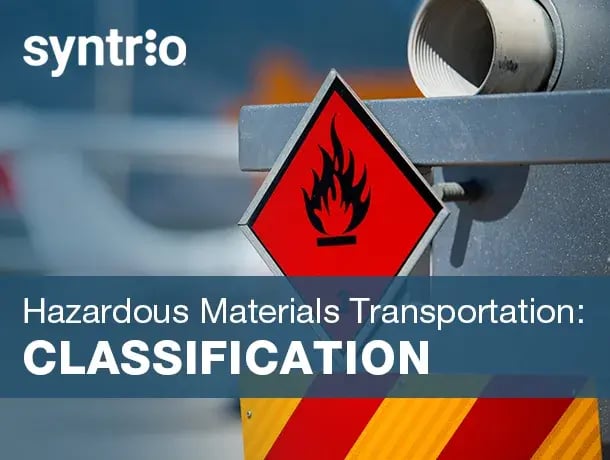
Hazardous Materials Transportation: Classification
To correctly describe the material on a shipping paper or to select the appropriate container, one must first accurately classify the material. After completing this course, learners can determine whether the shipped materials are subject to hazardous materials regulations, use information sources to identify hazardous materials, and correctly classify hazardous materials.
DOT: Packaging
This course is the second out of six in our DOT function-specific series. It describes tasks and regulations for selecting an appropriate hazardous material container. After completing it, learners will know how to interpret UN specification markings on the packaging, determine if proper packaging was used and identify appropriate packaging for a hazardous materials shipment. Supervisors of hazmat employees and safety managers will also benefit from the course.

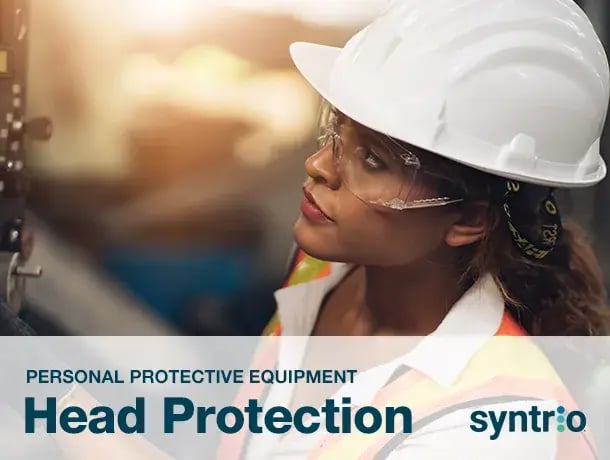
Personal Protective Equipment: Head Protection
This course is about the proper use and maintenance of head protection. Upon completion of this course, the learner will be able to describe types of head protection and recognize potential head hazards. This course will help learners understand their responsibilities for head protection and the importance of properly fitting hard hats and other forms of personal protective equipment.
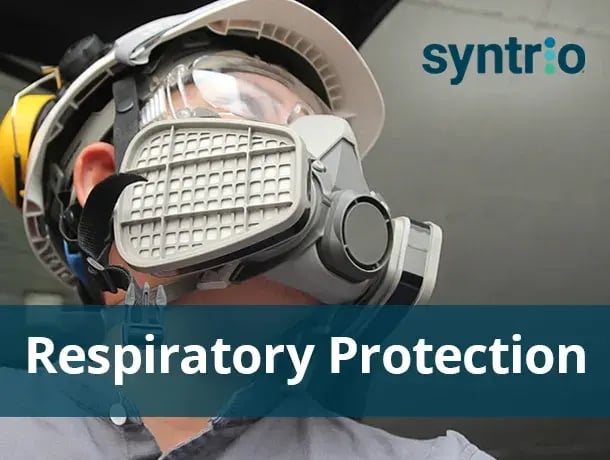
Respiratory Protection
Airborne contaminants can cause health effects ranging from mild irritation to lung cancer. While workplaces are generally safer than decades ago, some airborne hazards remain. Respiratory protection, or respirators, can protect employees from many respiratory hazards, including chemical, biological, and radiological agents and oxygen-deficient atmospheres. This course focuses on respirator types and capabilities, when to use them, and how to get the most protection that respirators offer.
A Manager’s Guide to Safety in the Workplace
As a manager, you are responsible for safety in the workplace. In this short module, learn how to create a job safety analysis (JSA) and the five steps to ensuring job safety. Remember, every time an accident happens, something could have been done to prevent it!